

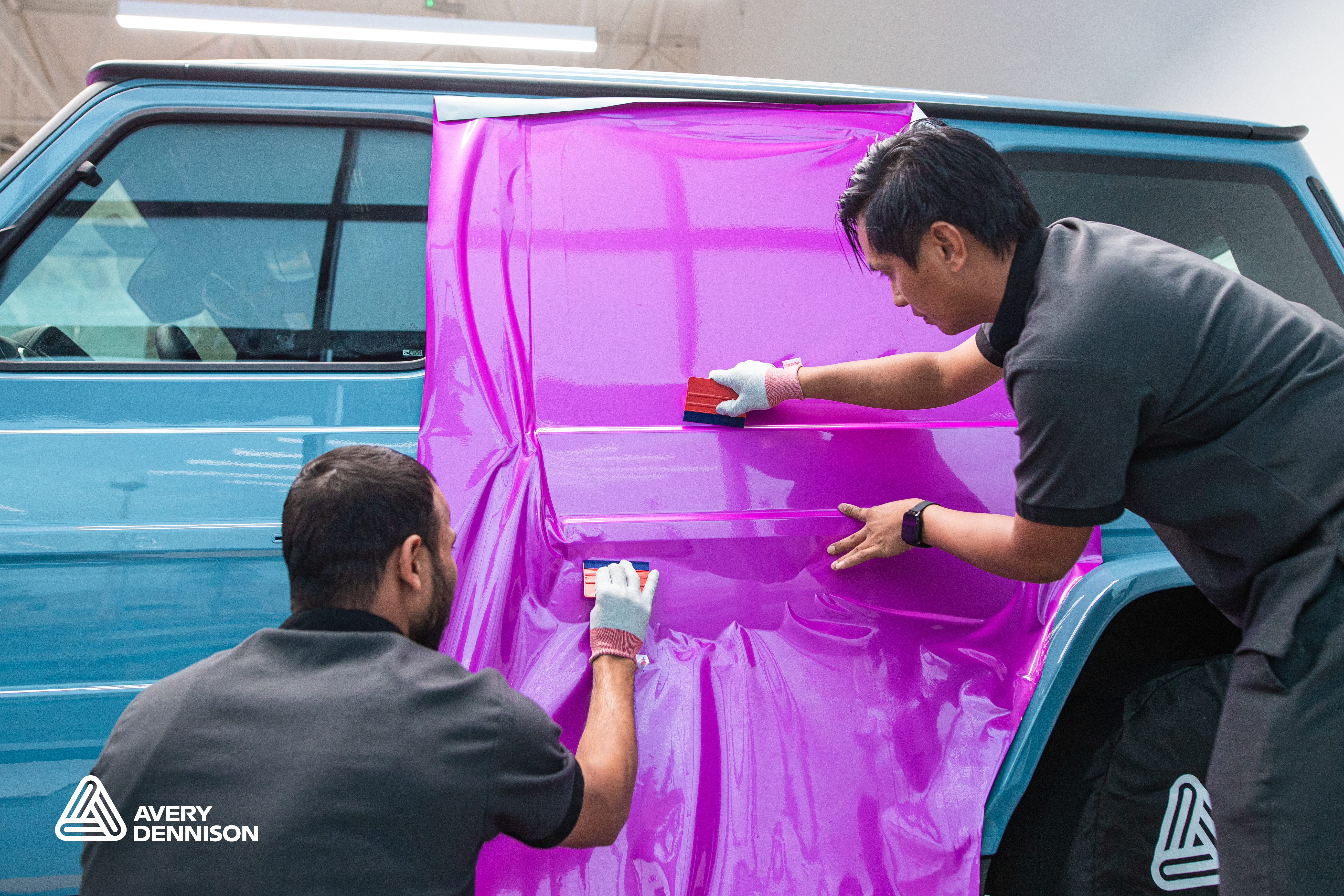
Deciding between a car wrap and paint is one of the most significant choices vehicle owners face when looking to refresh their investment. This comprehensive guide explores the exact advantages and limitations of both finishing methods, providing a clear comparison for automotive enthusiasts, fleet managers, and everyday drivers alike.
The debate surrounding a car wrap vs paint has evolved rapidly due to remarkable technological advancements in automotive films and modern automotive coatings. To make an informed decision, it's crucial to understand how car wraps and paint perform over time. This involves examining their long-term appearance and how each option resists fading, scratching, and environmental damage. It's also necessary to compare the physical durability of high-grade vinyl films against traditional factory or aftermarket paint jobs.
Finally, the user needs to assess the overall value retention, exploring how your choice impacts the resale price of your vehicle. Whether you are aiming to preserve the original paintwork of a rare classic car or seeking a highly customised, striking colour shift for a modern sports car, understanding the performance metrics of a car wrap against a paint job ensures you make a confident, well-informed decision.
By the end of this guide, you will know exactly which automotive finish aligns perfectly with your practical needs.
The Core Differences Between Vinyl Wraps and Automotive Paint
Traditional automotive paint involves applying multiple liquid layers to a prepared surface, typically starting with a primer, followed by the base colour coat, and finishing with a robust clear coat.
In contrast, a vehicle vinyl wrap utilises advanced, highly engineered polymer films that installers carefully stretch and adhere over the existing surface.
When comparing a car wrap vs paint, the most striking difference lies in the permanence and structural commitment of the modification.
High-quality vinyl shields the underlying clear coat from ultraviolet degradation, minor abrasions, and chemical contaminants found on modern roads.
Analysing Long-Term Aesthetics and Physical Durability
When assessing the visual impact and physical resilience of a car wrap vs paint, the sheer aesthetic variety offered by modern vinyl technology is truly unprecedented.
Over an extended period, the aesthetic stability and durability of a car wrap vs paint diverge based on environmental exposure.
Evaluating Value Retention and Cost-Effectiveness
The financial implications of choosing between a car wrap and a paint job depend heavily on your
- Budget
- Ownership timeline
- Vehicle's primary objectives
A comprehensive, high-quality aftermarket paint job requires extensive labour, specialised equipment, and premium materials, making it a substantial financial investment.
In contrast, wrapping a vehicle typically costs less than a premium respray, delivering an immaculate transformation while preserving the factory finish underneath.
Traditional liquid coatings represent a permanent restoration strategy, while advanced polymer wraps deliver flexibility, paint protection and stronger resale support.
Frequently Asked Questions
Q1. Is a car wrap better than paint for long term use?
A car wrap is better for long term use when the goal is protecting factory paint, maintaining resale value, or changing vehicle appearance without permanent modification.
Q2. Does a car wrap last longer than automotive paint?
Automotive paint generally lasts longer than vinyl wraps. Premium paint systems can last decades while quality wraps commonly last 5 to 7 years.
Q3. Which is more cost effective: car wrap or repainting a vehicle?
Car wraps usually require lower labour, preparation and material costs while allowing easier customisation.
Q4. Does wrapping a car protect the original paintwork?
Vehicle wraps provide an additional protective layer against UV exposure, scratches and road contaminants.
Q5. Is a car wrap better for resale value than paint?
Wraps can help preserve factory paint and support resale value when removed properly.
Q6. Which looks better: car wrap or paint?
Paint offers deeper gloss while wraps provide wider visual customisation options.